
Understanding the psychology behind gambling decisions and their impact on behavior
The Emotional Drivers of Gambling
Gambling decisions are often influenced by powerful emotions such as excitement, fear, and hope. For many individuals, the thrill of potential winnings creates an intense emotional response that can lead to impulsive decisions. This emotional driver is often coupled with a sense of escapism, where players seek to forget about their daily troubles through the excitement of gambling. In some cases, engaging with trusted platforms like casino not on gamstop can offer alternative experiences while exploring this emotional realm.
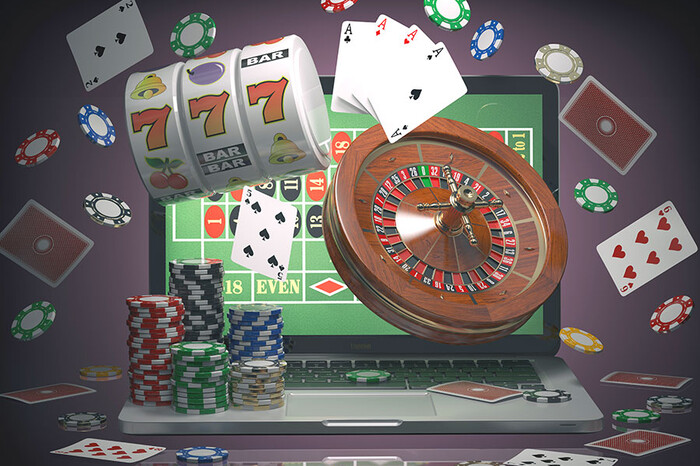
Addiction can also play a significant role in the emotional landscape of gambling. The chase of a big win can lead to a cycle of behavior where individuals continue to gamble, hoping to recapture that euphoric moment. Understanding these emotional drivers is essential to grasp why many people engage in gambling activities despite the risks involved.
The Role of Cognitive Biases
Cognitive biases significantly influence gambling behavior, leading individuals to misinterpret odds and probabilities. A common example is the “gamblers fallacy,” where people believe that past outcomes can predict future results. This misconception can encourage continued gambling, as individuals may feel that they are “due” for a win after a series of losses.
Confirmation bias also plays a role; gamblers often remember their wins more vividly than their losses. This selective memory reinforces the belief that gambling is a lucrative endeavor, despite evidence to the contrary. Understanding these cognitive biases can help individuals make more informed decisions about their gambling habits.
The Social Influence on Gambling Behavior
Social factors significantly impact gambling decisions, with peer influence and societal norms playing a crucial role. In social settings, gambling can become a communal activity that encourages individuals to participate, sometimes leading to behaviors they might not engage in alone. This sense of belonging can heighten the excitement but also escalate risks, especially among vulnerable individuals.
The portrayal of gambling in media can further normalize this behavior, glamorizing the lifestyle of gamblers and often downplaying the negative consequences. By analyzing these social influences, we can better understand the motivations behind gambling behaviors and the potential need for intervention.
The Impact of Wins and Losses on Future Decisions
Experiences of winning and losing can shape future gambling behavior significantly. A big win can lead to increased risk-taking, as individuals may feel emboldened by their success. Conversely, significant losses can cause feelings of despair and desperation, potentially leading to further gambling in an attempt to recover lost money.
These reactions can create a cycle that is difficult to break, where emotional highs and lows dictate behavior. Understanding this cycle is essential for individuals looking to establish healthier gambling habits, as awareness of these patterns can lead to more rational decision-making in the future.

About the Website
This website prioritizes user security while providing insights into the psychology of gambling decisions. By addressing the various factors that influence behavior, it aims to empower users to make informed choices. The platform also offers essential guidance on how to navigate potential online threats, ensuring a safe browsing experience for all users.
By educating users on these critical aspects of gambling psychology and promoting awareness of online security, the website seeks to create a responsible gambling environment. Its commitment to user safety reflects the overarching goal of fostering healthy behavior within the gambling community.